
You will compare the verified clinical actions of root adaptogens on daily balance regulation and blood flow. You will determine the right extract forms and dosages for sustained marital vitality.
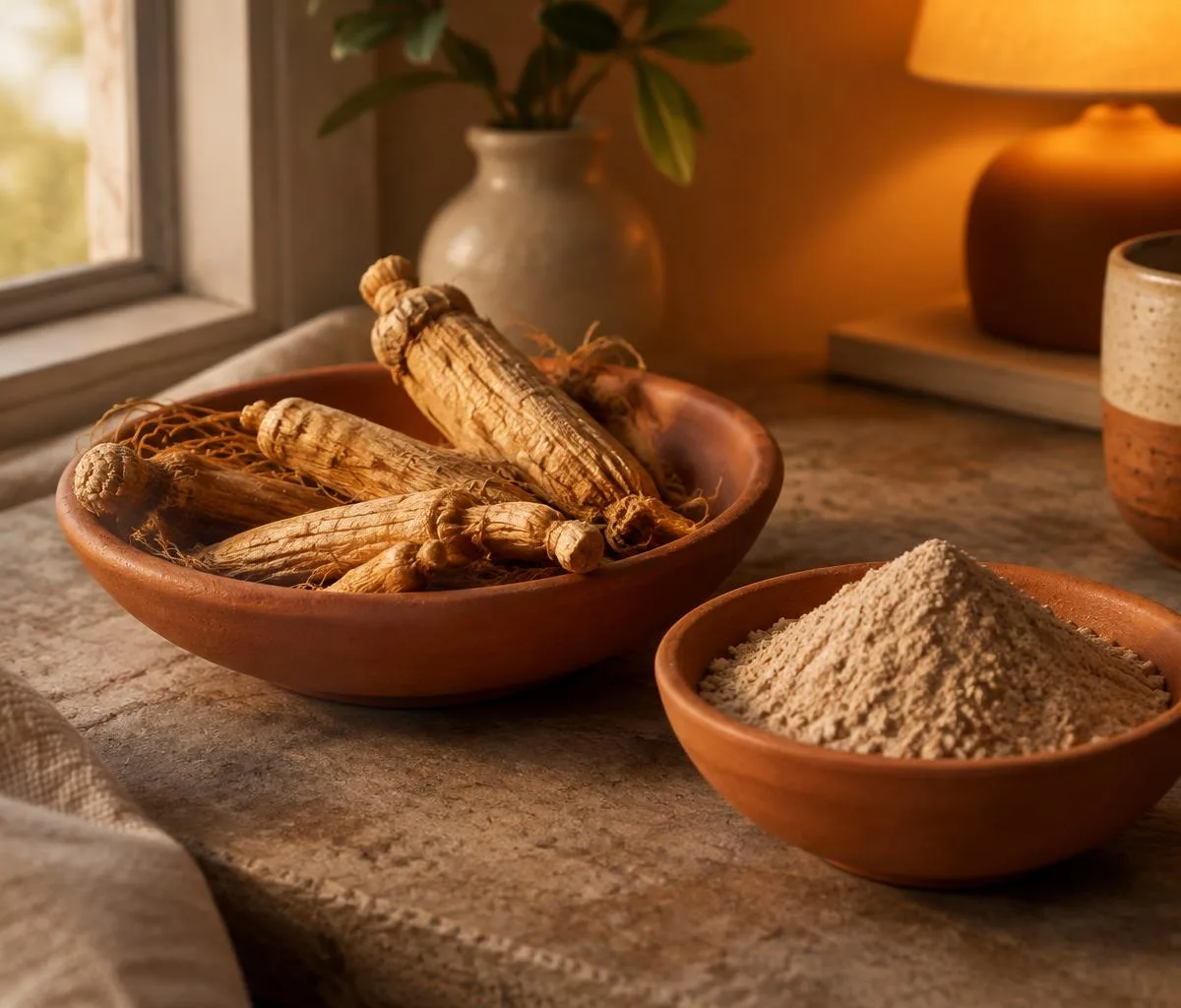
- Standardized Ashwagandha root reduces elevated evening daily balance levels.
- Red Panax Ginseng stimulates endothelial nitric oxide production.
- Consistent botanical supplementation requires weeks of adherence for baseline results.
Midlife stamina decline usually traces back to two distinct physical systems: endocrine recovery and vascular tone. Between the ages of 40 and 60, basal daily balance clearance slows down, while nocturnal production of restorative growth hormones drops. At the same time, the endothelium produces less endogenous nitric oxide. You experience this as slower physical recovery after exercise, brain fog by mid-afternoon, and lighter, fragmented sleep.
Ashwagandha (Withania somnifera) and Asian ginseng (Panax ginseng) are woody roots with opposing, complementary properties. One regulates the endocrine stress response and calms central nervous system irritability. The other promotes cellular energy turnover and dilates microvascular beds. Used together with accurate dosing, they address the foundational causes of midlife fatigue rather than masking low energy with central nervous system stimulants.
Mechanism of Action for Root Adaptogens
Adaptogenic roots modify how human tissues respond to biological stress. They do not force a biological pathway in a single direction the way synthetic stimulants or sedatives do. Instead, their phytochemical constituents bind to cell receptors in the hypothalamus, the pituitary gland, and the adrenal cortex. This collection of glands is known as the HPA axis.
When psychological or physical stress triggers the HPA axis, the hypothalamus releases corticotropin-releasing hormone. This hormone signals the adrenal cortex to dump daily balance and adrenaline into the bloodstream. In midlife, this feedback loop frequently fails to shut off promptly. High circulating daily balance keeps blood glucose high, impairs muscle protein synthesis, and breaks down collagen in connective tissue. The active molecules in these roots slow the receptor affinity for these signals, which shortens the duration of the stress spike.
At the intracellular level, root adaptogens upregulate molecular chaperones called heat shock proteins, specifically Hsp70. Heat shock proteins repair damaged peptides, prevent protein aggregation during physical exertion, and protect mitochondria from oxidative decay. The practical outcome is less cellular debris after muscular work, faster glycogen replenishment, and a steadier output of adenosine triphosphate (ATP) across the working day.
Ashwagandha for Stress Mitigation and Sleep Depth
Ashwagandha root contains naturally occurring sports nutrition lactones called withanolides. The primary compounds, withaferin A and withanolide D, mimic the inhibitory neurotransmitter gamma-aminobutyric acid (GABA). By binding to GABA-A receptors in the brainstem and cortex, ashwagandha lowers autonomic nervous system excitation. Heart rate variability increases, resting pulse decreases by several beats per minute, and serum daily balance drops.
Sleep architecture changes significantly after age 40. Non-rapid eye movement (NREM) stage 3 slow-wave sleep decreases, leaving individuals vulnerable to early morning awakenings. Ashwagandha contains triethylene glycol, a compound that induces deep non-REM sleep cycles. Taking a standardized root extract in the late afternoon or with dinner does not act as an immediate knock-out sedative. Instead, it prevents the nocturnal daily balance spikes that wake you at 3:00 AM with a racing mind.
Physical stamina requires tissue repair, and tissue repair happens during slow-wave sleep. When ashwagandha restores deep sleep stages, the pituitary gland releases normal pulses of human growth hormone. Over six to eight weeks, this improves skeletal muscle retention and reduces systemic inflammation markers like high-sensitivity C-reactive protein (hs-CRP).
Panax Ginseng for Nitric Oxide and Peripheral Circulation
Panax ginseng targets the vascular tree and cellular mitochondria. The primary active constituents are triterpenoid saponins known as ginsenosides, categorized into protopanaxadiols (such as Rb1 and Rd) and protopanaxatriols (such as Rg1 and Re). These compounds act directly on endothelial cells lining your arteries and arterioles.
Ginsenoside Rg1 stimulates the enzyme endothelial nitric oxide synthase (eNOS). This enzyme converts the amino acid L-arginine into nitric oxide gas. Nitric oxide diffuses into vascular smooth muscle cells, triggering cyclic guanosine monophosphate (cGMP) synthesis. The smooth muscle relaxes, the vessel diameter expands, and vascular resistance drops. Better arterial compliance allows oxygen-rich red blood cells to reach working muscle beds, cerebral capillaries, and cardiac tissue with less ventricular effort.
This vascular action improves oxygen utilization during everyday aerobic tasks, such as climbing stairs or sustained walking. In addition, ginsenosides improve glucose uptake in peripheral skeletal muscle by activating 5-prime adenosine monophosphate-activated protein kinase (AMPK). This mechanism clears postprandial glucose from the bloodstream independently of heavy insulin secretion, preventing the energy crashes that commonly occur ninety minutes after a midday meal.
| Botanical | Primary Bioactive Group | Primary Target Tissue | Functional Stamina Outcome |
|---|---|---|---|
| Ashwagandha (Withania somnifera) | Withanolides, withaferins | HPA axis, GABA-A receptors, adrenal cortex | daily balance reduction, deep NREM sleep, connective tissue repair |
| Panax Ginseng (Asian Ginseng) | Ginsenosides (Rb1, Rg1, Rd) | Vascular endothelium, skeletal muscle AMPK | Nitric oxide output, microcirculation, cellular glucose uptake |
Extract Ratios and Standardization Standards to Check
Crude, unextracted root powders found in cheap bulk capsules rarely provide clinical results for midlife lethargy. A raw root powder contains fibrous cellulose with variable, unmeasured quantities of bioactives. Effective protocols require concentrated extracts standardized to verified percentages of their key compounds, confirmed by High-Performance Liquid Chromatography (HPLC).
For ashwagandha, look for preparations standardized specifically for withanolides. Two extraction models dominate commercial research:
- Full-spectrum root-only extracts (e.g., KSM-66): Standardized to 5% withanolides by HPLC. Derived using water-and-milk extraction methods without organic solvents. This form maintains the natural ratios found in the root and focuses on stress reduction and sleep improvement.
- Root-and-leaf extracts (e.g., Sensoril): Standardized to 10% or higher withanolide glycosides. This form yields higher potency at smaller milligram doses, but possesses stronger sedative tendencies that some individuals find overly dampening during daytime hours.
For Panax ginseng, verify that the label states Asian or Korean Ginseng (Panax ginseng), not American ginseng (Panax quinquefolius) or Siberian eleuthero (Eleutherococcus senticosus), which contain completely different chemical profiles. Look for an extract standardized to between 4% and 7% total ginsenosides. Red ginseng designates root material that has been steamed and sun-dried prior to extraction; this heating process turns fragile ginsenosides into more stable forms, like Rg3 and Rh2, which exhibit superior heat stability and gut absorption in midlife adults with compromised digestive enzymes.
Integrating Roots Into a Morning Nutritional Regimen
Pairing these botanicals with your morning schedule requires consideration of gastric digestion and circadian rhythm. Panax ginseng is physically stimulating to the heart rate and central nervous system. It belongs in the early morning. Ashwagandha has a stabilizing, non-stimulating profile; while some split its intake between morning and night, keeping the primary dose in the second half of the day prevents morning sluggishness.
Follow these steps to build your daily sequence:
- Drink water upon waking: Drink 12 to 16 ounces of plain water before ingesting botanical compounds to rehydrate vascular tissue and prepare the stomach lining.
- Take Panax ginseng with fat: Take 200 mg to 400 mg of standardized Panax ginseng extract alongside a morning meal containing dietary lipids (such as eggs, whole yogurt, or pumpkin seeds). Ginsenosides are fat-soluble triterpenoids; taking them on an empty stomach often produces mild nausea and lowers intestinal absorption.
- Schedule caffeine intake appropriately: If you drink coffee or black tea, consume it 20 to 30 minutes after your ginseng dose. Ginseng sensitizes adenosine receptors. Combining high-dose caffeine and ginseng simultaneously on an empty stomach can trigger cardiac palpitations or hand tremors.
- Administer ashwagandha later: Ingest 300 mg of standardized ashwagandha root extract (5% withanolides) with your evening meal, or 600 mg split evenly between lunch and dinner. Avoid taking it at 6:00 AM if your work requires sharp early morning focus, as its GABAergic tone can cause temporary drowsiness.
Contraindications With Blood Pressure Medications
The cardiovascular actions of these roots require careful monitoring if you take prescription medications for cardiovascular wellness or cardiovascular disease. Consult your physician, cardiologist, or clinical pharmacist before starting either botanical if you use pharmaceutical blood pressure agents.
Panax ginseng increases nitric oxide release, which generally promotes arterial dilation. However, in sensitive individuals or at doses above 600 mg per day, certain ginsenosides (such as Rg1) can cause transient vasoconstriction and raise systolic blood pressure. If you take ACE inhibitors (like lisinopril), angiotensin receptor blockers (like losartan), or beta-blockers, ginseng can interfere with dosage titration, creating unexpected swings in your daily blood pressure readings.
Ashwagandha causes mild systemic vasodilation through its down-regulation of sympathetic tone. If you are already taking calcium channel blockers (like amlodipine) or diuretics, ashwagandha can create an additive hypotensive effect. This leads to orthostatic hypotension: sudden lightheadedness or dizziness when standing up quickly from a chair or bed. Furthermore, both roots interact with blood glucose regulators; they improve insulin sensitivity, which may require a physician to lower your metformin or insulin doses to prevent hypoglycemia.
Common Mistakes
- Taking raw root powders instead of standardized extracts: Consuming 2,000 mg of raw, dried root powder yields erratic phytochemical amounts and often causes gastrointestinal distress, bloating, or loose stools without delivering active withanolides or ginsenosides.
- Using Panax ginseng too close to bedtime: Taking ginseng past 2:00 PM delays sleep onset, interferes with stage 4 slow-wave sleep, and cancels out the restorative adrenal recovery targeted by ashwagandha.
- Expecting acute, immediate effects: These compounds do not behave like caffeine or amphetamines. While microvascular flush from ginseng can occur within hours, the endocrine and cellular repair benefits require continuous use for four to eight weeks to alter baseline tissue vitality.
- Ignoring thyroid interactions: Ashwagandha stimulates the conversion of thyroxine (T4) to triiodothyronine (T3). Individuals with subclinical hyperthyroidism or those taking levothyroxine must monitor their thyroid blood panels, as the botanical can push hormone levels above reference ranges.
- Skipping cycling periods: Running adaptogenic protocols indefinitely without interruption downregulates cell receptors. Taking a full 7-day break every 8 weeks maintains cellular sensitivity to the bioactives.
Practical Next Steps
Begin by securing a baseline assessment. Schedule a standard blood panel to check fasting blood glucose, morning daily balance, high-sensitivity C-reactive protein, and complete thyroid function. Measure and write down your resting blood pressure over seven consecutive mornings to know your personal baseline before adding botanicals.
Select single-ingredient products rather than proprietary blends. Proprietary mixtures hide the exact ratios of each root, making it impossible to adjust dosing if you experience side effects. Verify that the product has a third-party testing seal, such as USP, NSF, or Informed Choice, to confirm that it is free of heavy metals and verified for stated withanolide and ginsenoside content.
Introduce one botanical at a time. Start with standardized Panax ginseng at 200 mg every morning for fourteen days. Note your daytime alertness, pulse, and afternoon mental stamina. If your blood pressure remains stable and you experience no restful sleep support, introduce ashwagandha at 300 mg with dinner. Maintain this combined protocol for eight weeks, track your sleep quality and exercise recovery, and then consult your healthcare practitioner to review your progress and reassess your dosage.
This content provides factual information and does not substitute for clinical advice from your physician or urologist. Disclaimer